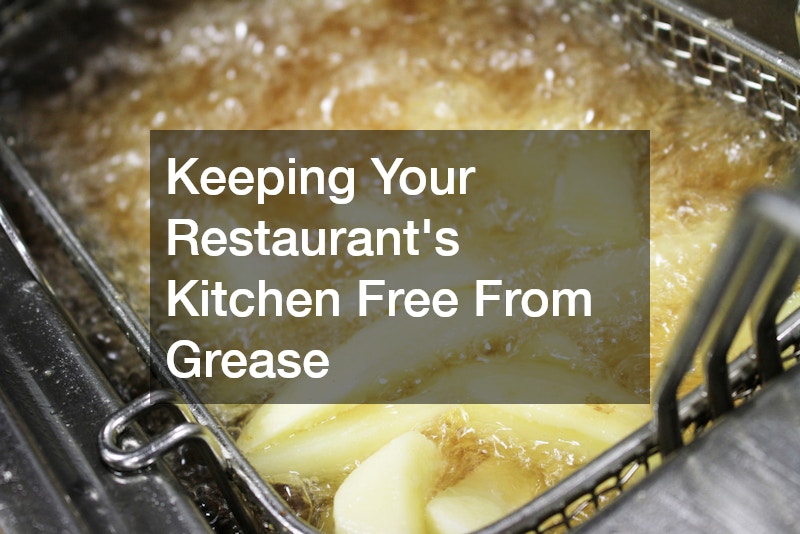
Running a successful restaurant involves more than just crafting a tantalizing menu and providing exceptional customer service. One of the critical areas that often doesn’t get as much attention is ensuring the kitchen remains free from grease build-up. This article delves into the essential strategies for maintaining a spotless kitchen and includes targeted advice for restaurant owners seeking to keep their commercial kitchens in optimal condition.
Implementing Regular Cleaning Practices
Maintaining a clean commercial kitchen is essential for safety, hygiene, and operational efficiency. A structured cleaning program reduces the risk of cross-contamination, improves staff productivity, and helps ensure compliance with health and safety regulations. One of the most critical benefits of regular commercial kitchen cleaning is the prevention of grease accumulation, which can become a serious fire hazard if left unchecked.
A comprehensive cleaning plan should clearly define responsibilities across all staff members. Employees must be trained not only on how to clean properly, but also on why each task matters. This includes understanding food safety principles, proper use of cleaning chemicals, and correct sanitation procedures for food-contact surfaces. When staff recognize the importance of cleanliness, they are more likely to maintain consistent habits throughout their shifts.
To ensure effectiveness, cleaning tasks should be divided into daily, weekly, and monthly schedules. Daily tasks may include sanitizing prep stations, cleaning cooking surfaces, and emptying grease traps. Weekly routines might focus on deep-cleaning appliances, scrubbing floors, and inspecting storage areas. Monthly maintenance can include more intensive tasks such as cleaning behind equipment and checking ventilation systems. Assigning specific duties to team members promotes accountability and ensures nothing is overlooked, creating a consistently safe and sanitary kitchen environment.
Ensuring Proper Fryer Hood Installations

Kitchen hood installations are a critical component of any commercial kitchen ventilation system, playing a key role in maintaining air quality and reducing grease buildup. Properly installed kitchen hoods effectively remove smoke, heat, odors, and airborne grease particles generated during cooking. This not only creates a more comfortable working environment but also significantly reduces the risk of grease-related fires.
The installation process must comply with local building codes and industry safety standards to ensure maximum efficiency. Incorrect placement, poor duct design, or inadequate airflow capacity can result in ineffective ventilation, allowing grease and contaminants to accumulate. This can lead to long-term issues such as equipment damage, unpleasant odors, and increased fire risk. For this reason, professional installation is strongly recommended to ensure the system is designed and fitted correctly from the start.
Ongoing maintenance is equally important once the system is installed. Regular inspections should include checking fan performance, inspecting ductwork for blockages, and cleaning or replacing filters as needed. Establishing a preventative maintenance schedule helps ensure the kitchen hood continues to operate at peak efficiency. Over time, this reduces operational risks, extends equipment lifespan, and supports a cleaner, safer kitchen environment overall.
Aligning With Oil Disposal Services
Proper disposal of used cooking oil is a crucial responsibility for commercial kitchens, both from an environmental and regulatory standpoint. Improper disposal methods, such as pouring oil down drains, can cause severe plumbing issues and environmental damage. Cooking oil disposal services provide a safe, efficient, and compliant solution for managing this type of waste.
These professional services typically offer scheduled pickups tailored to the volume of oil produced by a business. This eliminates the need for staff to manage storage and disposal manually, reducing workload and minimizing the risk of improper handling. In many cases, service providers also supply secure containers to store used oil safely until collection.
Beyond convenience, using a professional disposal service helps businesses stay compliant with environmental regulations and avoid potential fines. It also supports sustainable waste management practices by ensuring oil is processed responsibly. Many service providers follow environmentally approved methods that reduce pollution and support recycling initiatives. In addition, partnering with these services can help kitchen operators improve operational efficiency while demonstrating environmental responsibility.
Collaborating to Recycle Oil
Partnering with an oil recycling company is an effective way for commercial kitchens to adopt more sustainable waste management practices. Instead of treating used cooking oil as waste, recycling companies convert it into useful products such as biodiesel, renewable energy sources, and industrial materials. This process significantly reduces environmental impact and supports circular economy initiatives.
Oil recycling companies often simplify the entire process by providing storage containers, regular collection services, and tracking documentation. This makes it easier for restaurants and food service businesses to manage waste without disrupting daily operations. By integrating recycling into their workflow, kitchens can maintain cleanliness while contributing to broader environmental goals.
In addition to environmental benefits, businesses may also gain reputational advantages. Customers increasingly value sustainability, and working with a recycling partner can enhance a restaurant’s public image. Some recycling programs may also offer financial incentives based on oil volume collected, providing an additional operational benefit. Overall, these partnerships support long-term sustainability while promoting responsible resource management within the food service industry.
Opting for a Dedicated Grease Removal Service
Grease buildup is one of the most persistent challenges in commercial kitchen maintenance, and it requires specialized attention to manage effectively. Dedicated grease removal services provide professional cleaning solutions designed to eliminate grease from hard-to-reach and high-risk areas, including exhaust systems, ductwork, hoods, and kitchen surfaces.
Unlike general cleaning, grease removal services use industrial-grade equipment and specialized degreasers that break down heavy buildup more effectively. This ensures a deeper level of cleanliness and significantly reduces the risk of fire hazards caused by flammable grease deposits. These services are particularly important in high-volume kitchens where grease accumulates quickly, and standard cleaning methods may not be sufficient.
Regular scheduling of grease removal services helps maintain compliance with fire safety and health regulations. It also improves kitchen efficiency by ensuring ventilation systems operate without obstruction. Clean exhaust systems reduce strain on equipment, improve airflow, and contribute to a more comfortable working environment for staff. By outsourcing this task to trained professionals, restaurant owners can focus on core operations while maintaining a consistently safe and well-maintained kitchen.
Regular Engagement of Grease Trap Cleaners
Grease traps play a vital role in commercial kitchens by capturing fats, oils, and grease (FOG) before they enter the wastewater system. Without proper maintenance, these substances can solidify and cause severe blockages, leading to costly plumbing repairs, unpleasant odors, and potential health code violations. Engaging a reliable local grease trap service ensures these systems are routinely cleaned, inspected, and maintained for optimal performance.
Regular service visits help prevent buildup from reaching critical levels. During inspections, technicians can assess flow efficiency, check for structural issues, and remove accumulated waste before it becomes a larger problem. This proactive maintenance approach not only reduces the risk of emergency plumbing situations but also helps extend the lifespan of the entire drainage system. Over time, this consistency translates into significant cost savings and fewer operational disruptions.
In addition to maintenance, local grease trap professionals can offer valuable guidance on improving kitchen practices. This may include recommendations for waste disposal habits, cleaning procedures, and usage patterns that reduce grease output. Training staff to properly scrape and dispose of food waste before washing dishes further supports the effectiveness of grease traps. Ultimately, regular engagement with a grease trap service demonstrates a strong commitment to compliance, sustainability, and long-term kitchen efficiency.
Utilizing Quality Cleaning Supplies
High-quality janitorial cleaning supplies are essential for maintaining a sanitary and grease-free commercial kitchen. The effectiveness of cleaning efforts often depends on the strength, safety, and suitability of the products being used. Industrial kitchens face heavy grease buildup, food residue, and frequent spills, making it necessary to use cleaning agents specifically designed for demanding environments.
Selecting the right supplies involves balancing cleaning power with safety for both staff and kitchen surfaces. Harsh chemicals may damage equipment or create unsafe working conditions, while weak products may fail to remove stubborn grease effectively. For this reason, many kitchens are shifting toward eco-friendly and non-toxic cleaning solutions that offer strong performance without compromising safety or environmental responsibility.
Proper storage and organization of cleaning supplies are also important. When products are easily accessible and clearly labeled, staff can respond quickly to spills and sanitation needs throughout the day. Regular training ensures employees understand correct dilution ratios, application methods, and safety precautions. By maintaining a well-stocked and properly managed inventory of cleaning supplies, kitchens can uphold consistent hygiene standards and improve overall operational efficiency.
Establishing Plumbing Inspection Schedules

A well-maintained plumbing maintenance system is essential in preventing grease-related blockages and ensuring smooth kitchen operations. In commercial kitchens, plumbing systems are under constant pressure due to high volumes of water, food waste, and grease exposure. Without regular maintenance, small issues such as slow drainage or minor leaks can quickly escalate into major disruptions.
Establishing a scheduled maintenance plan with licensed plumbing professionals allows for early detection of potential problems. Routine inspections can identify buildup in pipes, faulty connections, or signs of corrosion before they lead to system failure. Preventive maintenance also reduces the likelihood of unexpected downtime, which can be costly for busy food service operations.
Staff education is another important component of plumbing care. Employees should be trained to avoid disposing of grease, food scraps, or inappropriate materials down sinks and drains. Installing strainers and clearly labeling disposal stations can further reduce risks. A coordinated approach between kitchen staff and plumbing experts ensures the entire system remains efficient, compliant, and free from preventable blockages.
Ensuring Safe Kitchen Flooring
Kitchen flooring plays a critical role in maintaining both safety and cleanliness in a commercial food preparation environment. Because kitchens are exposed to frequent spills, grease splatter, and heavy foot traffic, flooring must be durable, non-slip, and easy to clean. Proper flooring service ensures that surfaces remain safe, functional, and resistant to long-term wear and contamination.
Professional flooring specialists can recommend materials specifically designed for commercial kitchens, such as epoxy coatings, sealed concrete, or textured anti-slip surfaces. These materials help minimize slip hazards while also resisting grease penetration and chemical damage. Regular maintenance, including deep cleaning and resurfacing when necessary, ensures the flooring continues to meet safety standards over time.
Routine inspections also help identify cracks, uneven surfaces, or worn areas that could pose safety risks. Addressing these issues early prevents accidents and maintains compliance with workplace safety regulations. In addition, well-maintained flooring contributes to overall kitchen hygiene by preventing grease and debris from accumulating in damaged areas. Investing in professional flooring services ultimately supports a safer, cleaner, and more efficient working environment.
Partnering With a Kitchen Designer for Comprehensive Upkeep
Working with a professional kitchen contractor provides a strategic advantage in maintaining a well-functioning and efficient commercial kitchen. These experts specialize in designing, building, and optimizing kitchen spaces to improve workflow, safety, and sanitation. Their involvement ensures that both structural and operational elements of the kitchen are aligned with industry best practices.
A kitchen contractor can assess the layout of the space and recommend improvements that enhance efficiency and reduce contamination risks. This may include repositioning equipment, improving ventilation flow, or selecting materials that are easier to clean and maintain. Thoughtful design choices can significantly reduce grease accumulation and simplify daily maintenance tasks for staff.
Beyond layout optimization, contractors also play a key role in ensuring compliance with health, safety, and building regulations. They stay up to date with industry standards and can guide renovations or upgrades that improve long-term functionality. Whether managing new installations or remodeling existing spaces, a kitchen contractor provides comprehensive support that helps create a cleaner, safer, and more efficient kitchen environment.
Maintaining a grease-free commercial kitchen is not the result of a single action, but rather the combined effort of consistent maintenance, trained staff, and the right professional partnerships. From daily cleaning routines and proper equipment care to specialized services like grease trap maintenance, oil recycling, and plumbing inspections, every layer of your operation plays a role in preventing buildup and ensuring long-term efficiency.
When these systems work together, the benefits extend far beyond cleanliness. A well-managed kitchen reduces fire hazards, prevents costly breakdowns, improves air quality, and supports compliance with health and environmental regulations. It also creates a safer, more productive workspace where staff can focus on delivering high-quality food and service without unnecessary interruptions or risks.
Investing in preventative maintenance and professional support is an investment in the restaurant’s overall success. By prioritizing grease control and operational upkeep, restaurant owners can protect their equipment, reduce long-term costs, and maintain a reputation for excellence. A clean kitchen is not just a requirement—it is the foundation of a reliable, sustainable, and thriving food service business.